
Investing in Ceylon Gemstones
A fine, unheated, well-certified Ceylon sapphire can hold its value, and the best stones have grown scarcer over time. A gemstone is not a regulated financial product, though, and no return is ever guaranteed. This is general information, not financial advice.
Are Ceylon Gemstones a Good Investment?
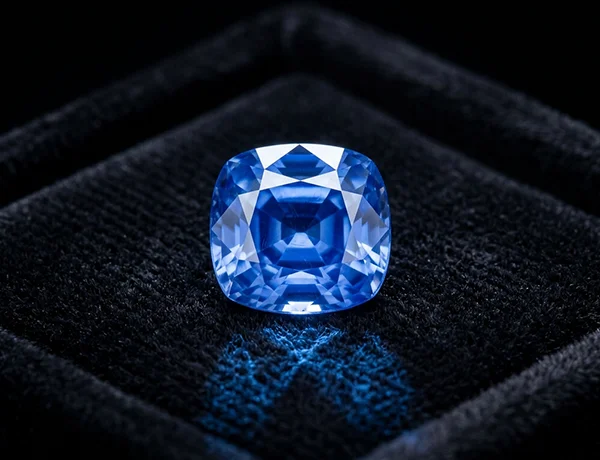
They can hold value well, and the finest examples have become rarer and more sought after over the long term, but a gemstone is a tangible asset rather than a guaranteed return.
The case for a fine Ceylon sapphire is scarcity. Top natural, unheated stones from a respected origin are a finite resource, and demand for them has held up over decades. That is why the best examples have tended to keep and often build their value, and why they are portable, private and enduring in a way that few assets are.
The honest counterweight is that a gemstone pays no income, cannot be sold at the press of a button, and carries a real gap between what you pay and what you could sell for tomorrow. It rewards patience and quality, not speculation.
What Tends to Hold Value, and What Does Not
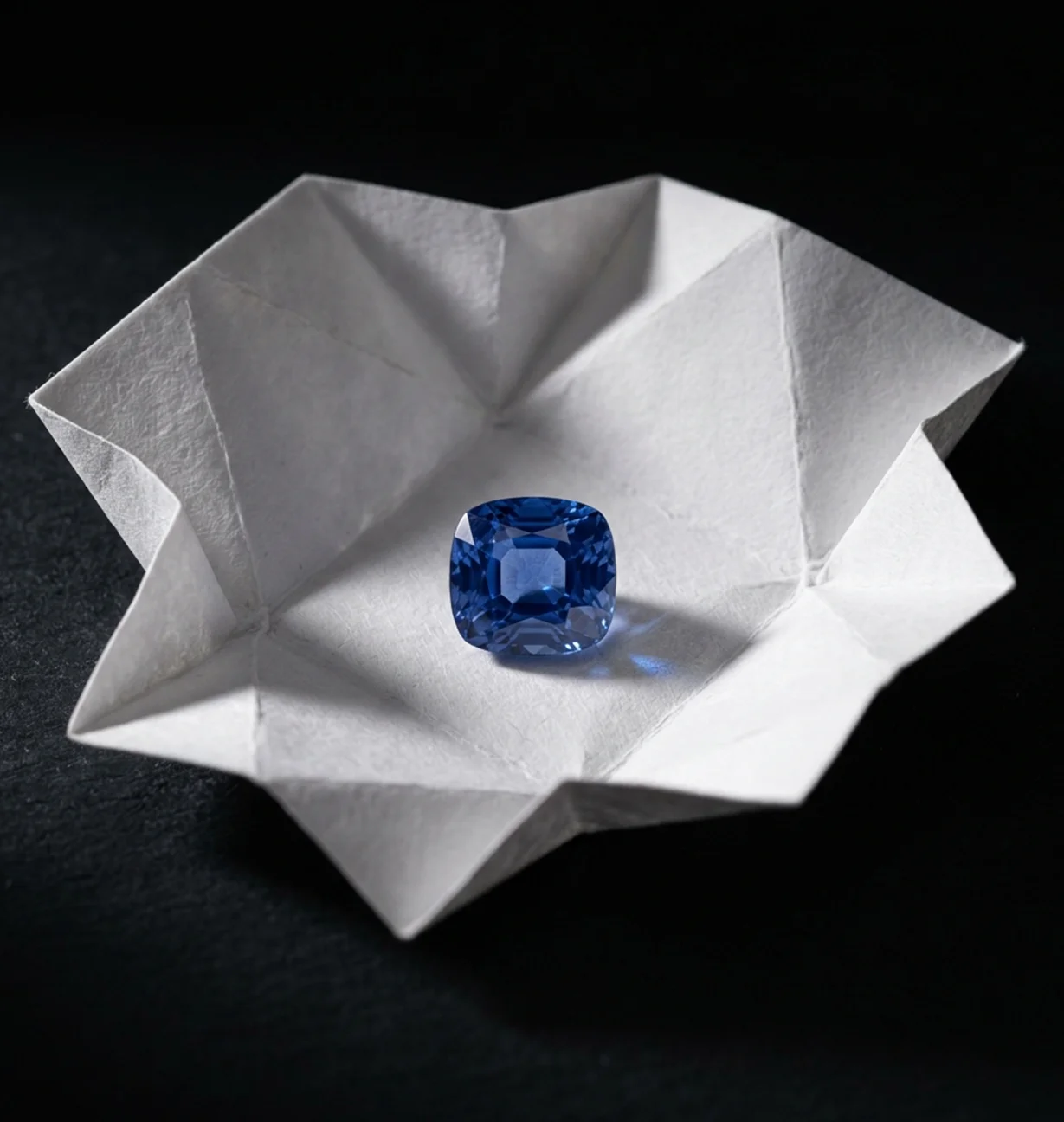
Value concentrates at the top. Rarity and quality hold their worth; common, treated, uncertified material does not.
| Factor | Tends to hold value | Tends to lose value |
|---|---|---|
| Treatment | Natural, unheated | Heated or heavily treated |
| Certification | Report from a respected laboratory | No report, or an unverifiable one |
| Colour | Fine, vivid, well saturated | Pale, over-dark or commercial |
| Clarity and cut | Clean to the eye, well cut | Heavily included, poorly cut |
| Rarity | Scarce size and quality, fine origin | Common material, easily replaced |
Why Unheated and Well-Certified Stones?
Because rarity and proof are what a future buyer pays for. An unheated stone is scarcer, and an independent report lets the next buyer trust that without taking your word for it.
Most sapphires on the market are heated, so a natural stone with no indications of heating sits in a much smaller pool, and that scarcity is what supports its premium. Our guide to heated and unheated sapphire explains the difference and why it moves the price.
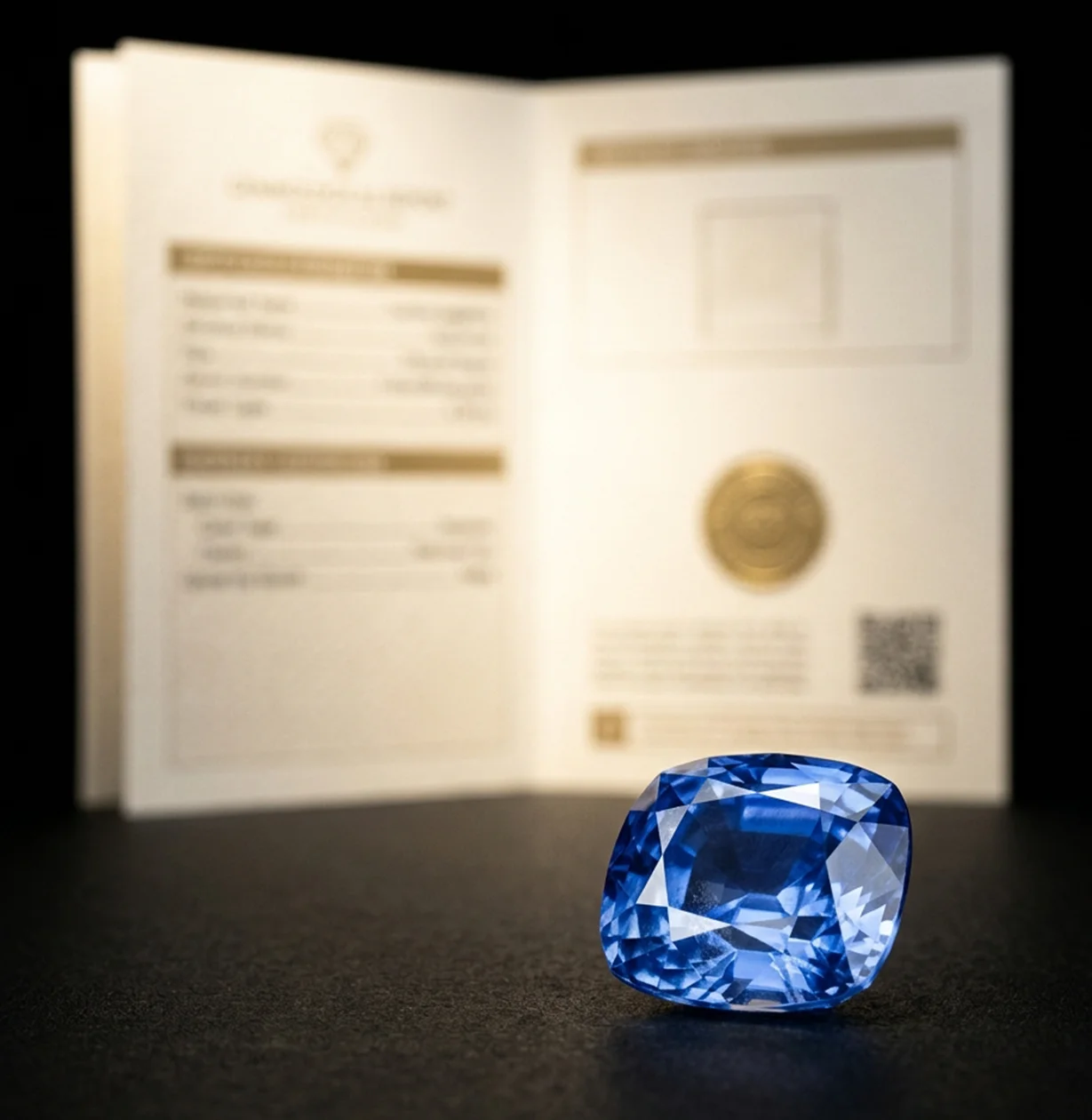
Certification turns quality into something a stranger can rely on, so a future buyer is not asked to take anything on trust. A fine stone without that paperwork is far harder to sell for what it is worth. Our page on how we certify every stone covers what a report does and does not prove.
What Are the Risks and Costs?
A gemstone is illiquid and unregulated, it pays no income, and owning and selling it carries a spread, insurance and storage costs.
The main risk is liquidity. There is no exchange for a specific sapphire, so selling means finding the right buyer, which can take time, and the price you achieve depends on the market that day. There is also a spread between retail and resale, so a stone usually has to appreciate before you are even. On top of that come insurance and secure storage, and the ever-present risk of overpaying or of buying a treated or misdescribed stone, which is exactly why quality and certification matter.
A gemstone is not a regulated financial instrument, there is no compensation scheme behind it, and past performance of the category is no promise about any individual stone. Weigh all of that before you treat a purchase as an investment rather than an object you want to own.
How to Buy and Later Sell
Quality on the way in, patience on the way out. A forced sale is where value is lost.
This Is Not Financial Advice
Everything here is general information about fine gemstones as a category. It is not personalised financial or investment advice, and nothing on this page is a promise of any return. Gemstones are illiquid and unregulated. If you are buying with value in mind, speak to a qualified financial adviser about your own circumstances first.
Common Questions
Fine, natural, unheated Ceylon sapphires with respected laboratory reports have historically held their value well, because top-quality material is scarce and demand for it has been durable. Common, treated or uncertified stones generally do not. Quality and rarity, not the name alone, are what hold value.
They are different. Gold is uniform, liquid and easily priced, so it trades quickly at a known rate. A fine gemstone is unique and can appreciate on rarity, but it is illiquid and harder to value, so selling takes time and expertise. Neither is guaranteed, and a gemstone suits a long-term holder who also enjoys owning the stone.
Most sapphires are heated, so a natural stone with no indications of heating is much rarer, and that scarcity supports a premium. Because rarity is what a future buyer pays for, an unheated stone with an independent report is generally more defensible for value than a heated one of similar appearance.
The main risks are illiquidity, the spread between buying and selling prices, no income while you hold, insurance and storage costs, and the danger of overpaying or buying a treated or misdescribed stone. Gemstones are unregulated, so buy quality, insist on certification, and hold for the long term.
No. We can tell you honestly about a stone's quality, rarity, treatment and likely market, and help you buy well. We do not give personalised financial or investment advice, and nothing we say is a promise of a return. For advice on your own circumstances, speak to a qualified financial adviser.
Learn More
Buy One Fine Stone Well
If you are buying with value in mind, we will help you choose quality over quantity, with a report you can verify. Browse the collection, or talk it through with us first.