
Import Duty and Tax on Gemstones, Country by Country
When a gemstone is shipped across a border, the destination country may charge import duty, a sales tax such as VAT or GST, or both, and these are paid by you as the buyer on arrival. Cut gemstones often attract little or no duty, but a sales tax usually still applies. Rates and thresholds change, so always confirm the current rules for your country before you buy.
Do I Pay Duty or Tax on an Imported Gemstone?
Usually you pay a sales tax such as VAT or GST, and sometimes a customs duty on top. The two are different charges, and which apply depends on the destination country and the stone's value.
Customs duty is a tariff on the goods themselves, set by the destination country and often low or zero for cut and polished gemstones, though this varies and has been changing. A sales tax, such as VAT in the UK and EU or GST in Australia, is a separate charge on the value of the import, and it usually applies even when duty does not. Most buyers find the sales tax is the larger of the two.
Both are normally calculated on the stone's value plus the cost of shipping and insurance, not the stone alone. They are the buyer's responsibility, payable on arrival, and are typically collected by the carrier or a customs broker before the parcel is released. Because the rules differ by country and change over time, treat the sections below as a guide and confirm the current position locally.
Import Charges by Destination
What to Expect at Customs, by Destination
| Destination | Likely charges | Notes |
|---|---|---|
| United States | Possible tariff; sales tax handled at state level | Tariff and low-value thresholds have changed recently; verify the current rate |
| United Kingdom | Import VAT, plus any duty | A standard import VAT rate applies to the value plus shipping |
| European Union | Import VAT, plus any duty | VAT rate is set by each member state, so it varies by country |
| Australia | GST, plus any duty | GST applies to imported goods; thresholds and collection vary |
What Each Destination Means for You
United States
In the United States, a gemstone import may attract a federal tariff, while sales tax is handled at the state level rather than at the border.
Tariffs and the rules for low-value shipments have changed considerably in recent years, so the rate that applies to a gemstone today may differ from older guidance you find online. The duty owed, if any, is set federally and assessed by US Customs and Border Protection on entry. Do not rely on a figure you read from a previous year; check the current position before you buy.
Sales tax in the US is not collected at customs. Depending on your state, you may owe use tax on an imported purchase, reported through your state's own process. Because both the federal tariff picture and state tax rules vary, a US buyer is best served by confirming the current rate with a customs broker or CBP, and by asking us for a clear invoice and the laboratory report to support the declared value.
United Kingdom
In the United Kingdom, import VAT applies to the value of the stone plus shipping and insurance, and any customs duty is added on top.
For most fine gemstones the duty element is low, but import VAT at the standard rate applies to the landed value, so it is the charge to plan for. It is calculated on the stone's price together with the shipping and insurance cost, which is why your invoice should itemise each clearly. The carrier usually pays HMRC on your behalf and collects the total, sometimes with a small handling fee, before delivery.
Keep the commercial invoice and the laboratory report with the shipment, as they support the declared value and the description of the goods. If you are VAT registered and buying for a business, different treatment may apply, so take your own advice. Rates can change at a Budget, so confirm the current standard rate before you commit.
European Union
In the European Union, import VAT applies and is set by each member state, so the rate depends on which country the stone is delivered to. Any customs duty is added separately.
The EU is a single customs territory, so duty is assessed on entry, but VAT is a national tax and the standard rate differs from one member state to another. A stone delivered to one country may carry a noticeably different VAT rate from the same stone delivered to its neighbour. As elsewhere, the charge is based on the value plus shipping and insurance, and duty on cut gemstones is often low.
The carrier or an appointed broker typically clears the goods and collects what is owed before delivery. Check your own country's standard VAT rate and any local rules, and keep the invoice and report to hand to support the customs declaration. If the stone enters through one member state and travels to another, ask the carrier how the VAT is handled.
Australia
In Australia, GST applies to imported goods including gemstones, and any customs duty is added on top. Collection and any thresholds depend on the value and how the goods arrive.
Goods and services tax is the charge most Australian buyers will meet on an imported stone, calculated on the value of the goods plus transport and insurance. Duty on cut gemstones is often low, but the GST element should be planned for. Depending on the value and the route, GST may be collected at the border by the carrier or broker, or through another mechanism, so confirm how it will be handled for your shipment.
As with every destination, keep the commercial invoice and the laboratory report with the parcel, and check the current rules with the Australian Border Force or a customs broker. Thresholds and collection methods do change, so do not assume an older arrangement still applies.
How Is Insured Shipping Handled at Customs?
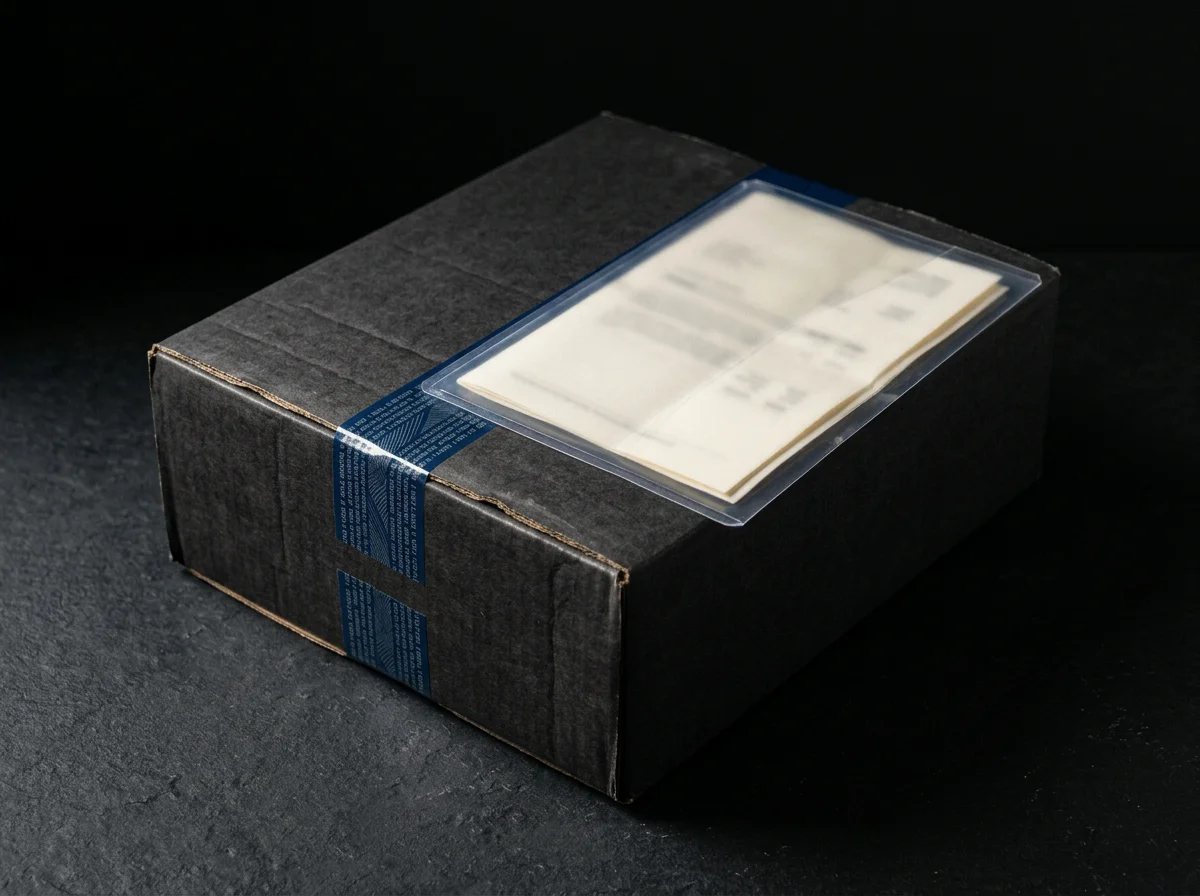
A fine gemstone ships fully insured and tracked through a specialist carrier, with a commercial invoice and the laboratory report attached so customs can assess it correctly.
The declared value on the customs paperwork is the stone's actual price, supported by the invoice and the report, because under-declaring to reduce duty is both unlawful and voids the insurance cover. The shipment travels sealed and tracked, and the carrier or broker handles the customs entry, calculates what is owed and collects it before final delivery. That is why duty and tax should sit in your budget alongside the stone and the shipping.
We will give you a clear invoice and the report to accompany any international order, and we can talk you through what to expect on arrival. For how we pack, insure and track shipments, and our returns terms, see our shipping, insurance and returns page. For anything specific to your country, your customs authority or a broker can give a binding answer.
Rates Change, So Verify Locally
Duty rates, sales tax rates and low-value thresholds change, and have changed significantly in recent years. This page is general guidance, not tax advice. Confirm the current rules with your destination country's customs service or a broker before you buy.
- Duty on cut gemstones
- Often low or zero, but it varies
- Sales tax
- VAT in the UK and EU, GST in Australia
- Charge based on
- Value plus shipping and insurance
- Who pays
- The buyer, on arrival
- Who collects
- The carrier or a customs broker
- US sales tax
- Handled at state level, not the border
Common Questions
In most countries, yes. A sales tax such as VAT or GST usually applies to the import value, and a customs duty may be added on top, though duty on cut gemstones is often low. The charges are the buyer's responsibility and are normally collected before delivery.
Charges are normally calculated on the stone's value plus the cost of shipping and insurance, not the stone alone. That is why your invoice should itemise the price, the shipping and the insurance clearly, and why you should keep it with the laboratory report.
Usually the carrier or an appointed customs broker clears the goods, calculates what is owed and collects it from you before final delivery, sometimes with a small handling fee. In the United States, sales tax is handled at the state level rather than at the border.
No. Under-declaring the value to reduce duty is unlawful and it voids your insurance cover, so the stone would travel effectively uninsured. The declared value must be the actual price, supported by the invoice and the report.
We can explain how charges generally work for your country and provide a clear invoice and report, but we cannot give a binding figure, as rates and thresholds change and vary locally. For an exact amount, check with your customs authority or a broker before you commit.
Learn More
Buying From Abroad?
Tell us where the stone is going and we will explain how we ship and insure it, and what to expect when it reaches customs.