
Ceylon vs Kashmir vs Burmese Sapphire
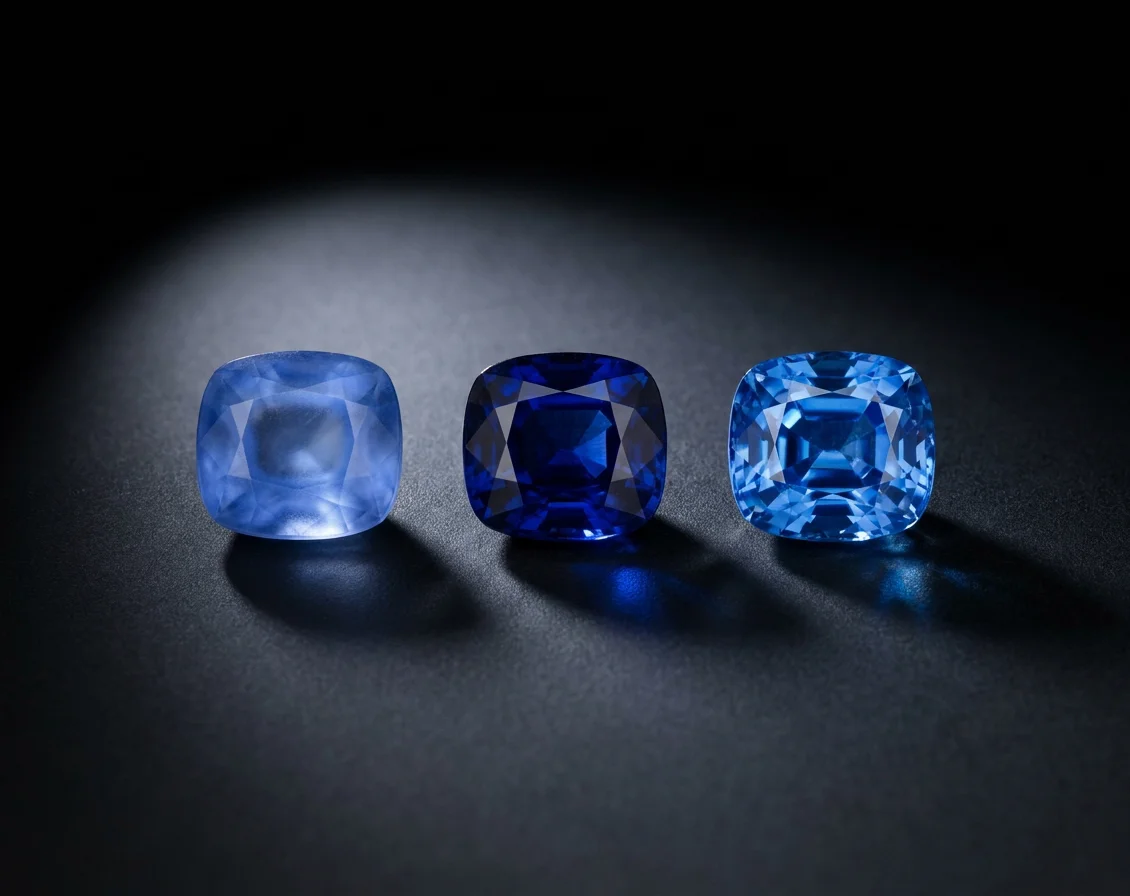
Kashmir, Burma and Ceylon are the three classic origins for fine blue sapphire, and each has its own character. Kashmir is the rarest and dearest, prized for a velvety blue; Burma for a rich royal blue; Ceylon for bright, lively colour and the widest choice of fine stones. Origin is a premium on top of quality, not a substitute for it.
How Do the Great Sapphire Origins Differ?
They differ in colour and character, in rarity, and in price. Kashmir is velvety and scarce, Burma is deep and rich, and Ceylon is bright and plentiful in fine quality.
Origin matters because the ground a sapphire grew in shapes how it looks. Trace elements and fine internal silk give each source a recognisable character, and the market has prized these characters for well over a century. A laboratory can give an origin opinion by studying a stone's inclusions and chemistry, and that opinion sits on the report alongside the colour, clarity and treatment.
But origin is a premium layered on top of quality, not a guarantee of it. A grey, weak Kashmir stone is still a weak stone, and a vivid, clean Ceylon sapphire can be the more beautiful and the better buy. Use origin to understand a stone's character and rarity, then judge the stone itself on the four Cs.
Kashmir, Burma and Ceylon
The Classic Blue Sapphire Origins Compared
| Origin | Typical character | Availability | Price position |
|---|---|---|---|
| Kashmir | Soft, velvety cornflower blue with a slightly sleepy glow | Very rare; mines largely exhausted | The highest, often by a wide margin |
| Burma (Mogok) | Deep, saturated royal blue | Rare in fine quality | High |
| Ceylon (Sri Lanka) | Bright, lively blue, from cornflower to vivid | The widest choice of fine stones | Strong, with excellent value across the range |
| Madagascar | Often resembles Ceylon; a major modern source | Widely available | Moderate; usually below a documented Ceylon stone |
What Sets Ceylon Apart?
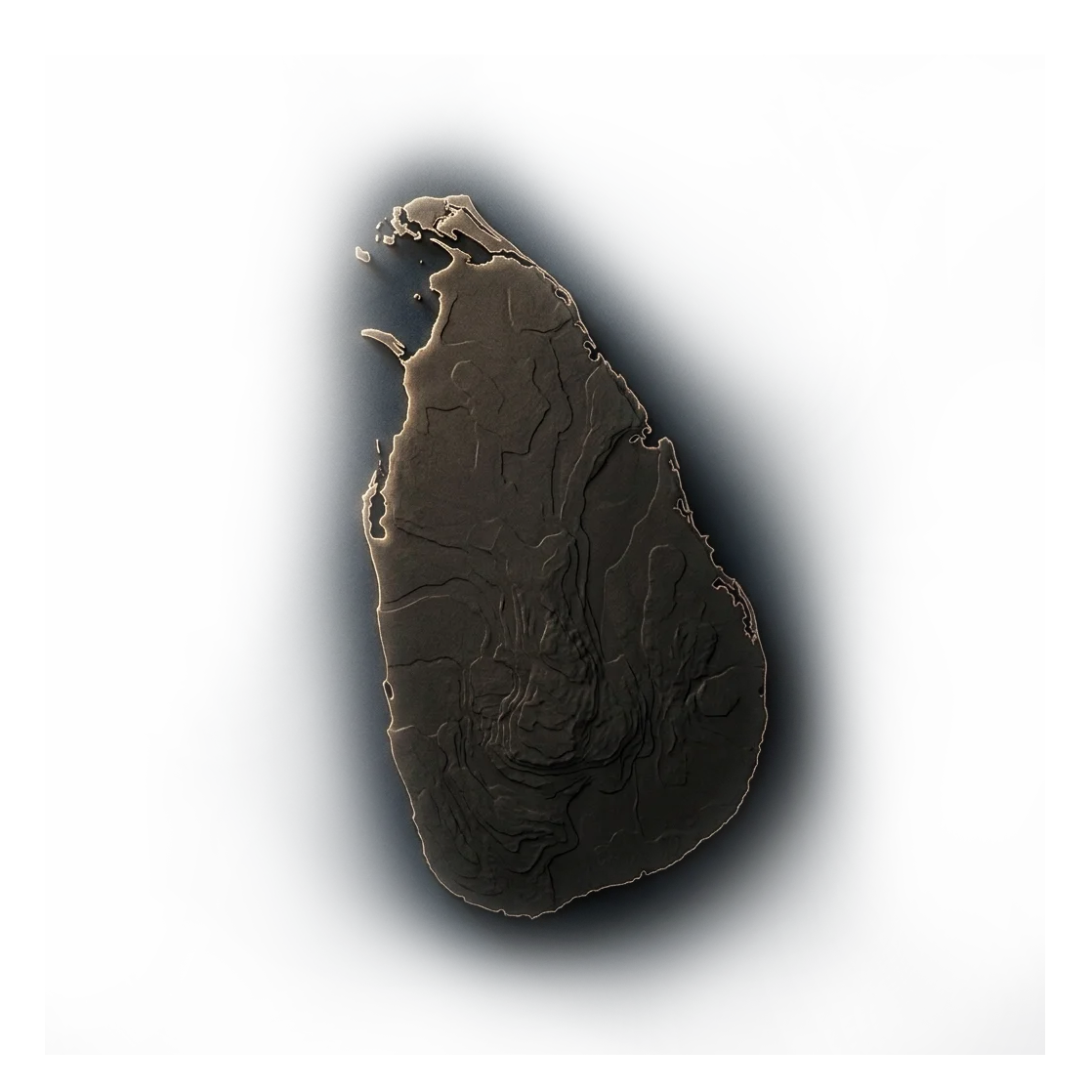
Ceylon, or Sri Lanka, offers bright, lively blue across the widest range of sizes and qualities, and it is the leading source of fine unheated sapphire.
Ceylon sapphires are mined around Ratnapura and tend towards a clear, luminous blue, from a gentle cornflower to a vivid, saturated stone. The range is the point: Ceylon supplies more fine sapphire, in more sizes and qualities, than any other classic origin, which is why most buyers looking for a fine blue sapphire end up looking at Ceylon. It is also the source most associated with beautiful unheated material that needs no treatment to show well.
For a buyer, that availability means choice and value. You can find an exceptional Ceylon stone without the scarcity premium of Kashmir or Burma, and a documented Ceylon origin still carries real weight. It is the origin where fine quality and sensible price meet most often.
Which Origin Should I Buy?
Buy on the stone first. Choose Kashmir or Burma for rarity and collecting, and Ceylon when you want fine colour and the best value with the widest choice.
If you are collecting, or you want the rarest possible category and the prestige that comes with it, a documented Kashmir or Burmese stone is the goal, and you will pay for the scarcity. If you want a beautiful sapphire to wear, where colour and clarity matter more than the name on the report, Ceylon almost always gives you more for your money, with a far wider selection to choose from.
Whichever you favour, insist on an independent report with an origin opinion, and compare like with like. Origin should refine your choice between fine stones, not rescue a weak one. If you are weighing a classic origin against a modern alternative, our guide to Ceylon and Montana sapphire covers that comparison.
- Classic origins
- Kashmir, Burma (Mogok), Ceylon (Sri Lanka)
- Kashmir look
- Soft, velvety cornflower blue
- Burma look
- Deep, saturated royal blue
- Ceylon look
- Bright, lively blue, cornflower to vivid
- Rarest and dearest
- Kashmir
- Origin labs
- SSEF, Gübelin, GRS
Common Questions
Because supply is essentially fixed. The Kashmir mines were largely worked out within decades of their discovery in the 1880s, so very little fine material exists, and demand for its velvety blue is high. Scarcity, not a different chemistry, is what drives the price.
Neither origin is simply better. Burmese sapphire tends to a deeper royal blue and is rarer in fine quality, while Ceylon offers bright colour, the widest choice and strong value. The better stone is the one with finer colour, clarity and cut for your budget, whatever its origin.
A gemmological laboratory studies the stone's inclusions and trace-element chemistry and gives an origin opinion. It is an expert judgement, not an absolute certainty, which is why a respected laboratory and a clearly worded report matter when origin affects the price.
No. Colour, clarity, cut and carat decide whether a stone is beautiful; origin is a premium layered on top. A fine Ceylon sapphire can outshine and outvalue a weak Kashmir one. Judge the stone first, then let origin refine your choice between fine stones.
Insist on an origin opinion from a respected laboratory such as SSEF, Gübelin or GRS, and verify the report at source. The premiums on these origins are large enough to invite misdescription, so an unverified claim should be treated with caution.
Learn More
Looking for a Particular Origin?
Tell us the origin, colour and budget you have in mind, and we will send certified stones with an origin opinion to match.